
So, you’ve signed up for your beginner taekwondo class—congratulations! You’re about to step into a world where discipline meets energy, and where your body and mind will both get a workout. Still, let’s be honest—your excitement might be tangled up with a few nerves. Will everyone else be faster, stronger, or more flexible? Will you remember all the moves, or even how to tie your belt? You’re not alone—every single black belt you’ll meet started in your shoes, feeling exactly the same way.
Picture this: you walk into the dojang (that’s the training hall), greeted by the sound of focused breathing, the snap of a perfect kick, and a sense of unity among students. The atmosphere might feel intense, but trust me—it’s also incredibly welcoming. Your first class won’t be about flawless technique or lightning-fast kicks. Instead, it’s about learning the basics, understanding the etiquette, and getting a feel for the rhythm of training.
By the end of that first hour, you’ll have done more than just throw a few punches—you’ll have taken your first real step toward confidence, strength, and self-discipline. And the best part? You don’t need to be perfect; you just need to show up willing to try.
1. What Really Happens in a Beginner Taekwondo Class
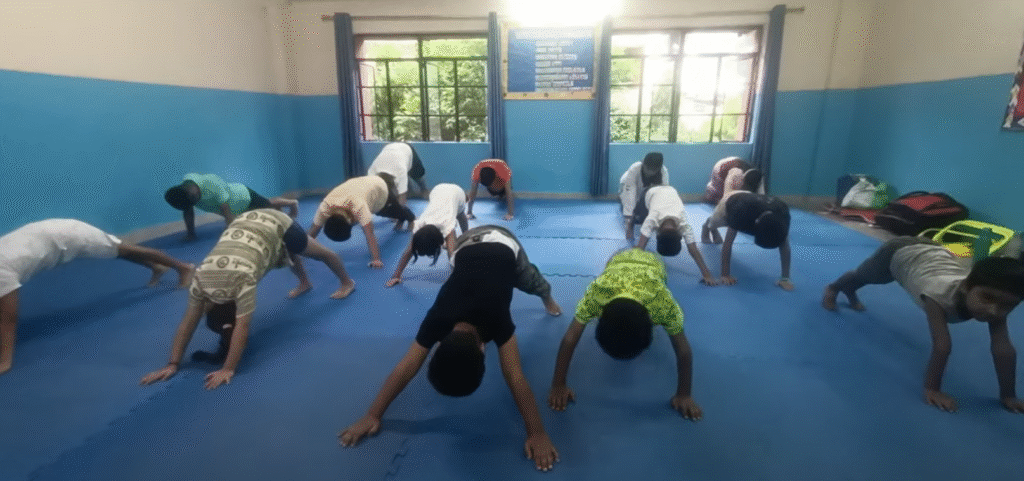
The first thing you’ll notice is structure. Classes start with a bow—a simple gesture of respect to your instructor and fellow students. It might feel formal at first, but it quickly becomes second nature. Then comes the warm-up, and no, it’s not just a few stretches. Expect dynamic movements like knee lifts, light jogging, and mobility drills to prepare your muscles and joints.
From there, you’ll learn the building blocks: basic stances, punches, and kicks. Don’t worry if your front stance feels a bit wobbly or your roundhouse kick isn’t picture-perfect. Instructors are used to beginners, and they’ll guide you step-by-step. One of the best things about taekwondo is that it’s scalable—movements can be adjusted to your current ability while still challenging you to improve.
You might also practice poomsae (patterns of movements) or partner drills. These exercises not only sharpen your skills but also improve coordination, timing, and spatial awareness. The session usually ends with a short cool-down and another bow—closing the loop of respect and focus.
2. Tips to Get the Most Out of Your First Class
First, dress comfortably. If you don’t have a uniform yet, wear breathable workout clothes that allow full range of motion. Second, arrive 10–15 minutes early. This gives you time to meet your instructor, get familiar with the space, and settle those first-class jitters.
Bring a water bottle—you’ll sweat more than you think—and keep an open mind. The pace may feel fast, but no one expects you to master everything instantly. Ask questions if you’re unsure about a movement or term. Taekwondo thrives on a culture of respect and learning, so your curiosity will be welcomed, not judged.
Finally, focus on effort, not perfection. Your first class is about understanding the flow and spirit of training. If you stumble or mix up a move, smile, reset, and try again. Remember, progress in martial arts is measured in small, consistent steps—not overnight transformations.
Walking into your first beginner taekwondo class is more than just starting a new hobby—it’s making a commitment to your growth, both physically and mentally. You’ll learn discipline, build strength, and discover just how capable you really are. Sure, you’ll sweat. Sure, you’ll make mistakes. But you’ll also gain confidence with every bow, punch, and kick.
So, if you’ve been hesitating because you feel “unready,” here’s your sign: you’re ready enough. The perfect moment isn’t somewhere down the road—it’s right now. Lace up, step onto the mat, and take that first kick toward a stronger, more confident you.